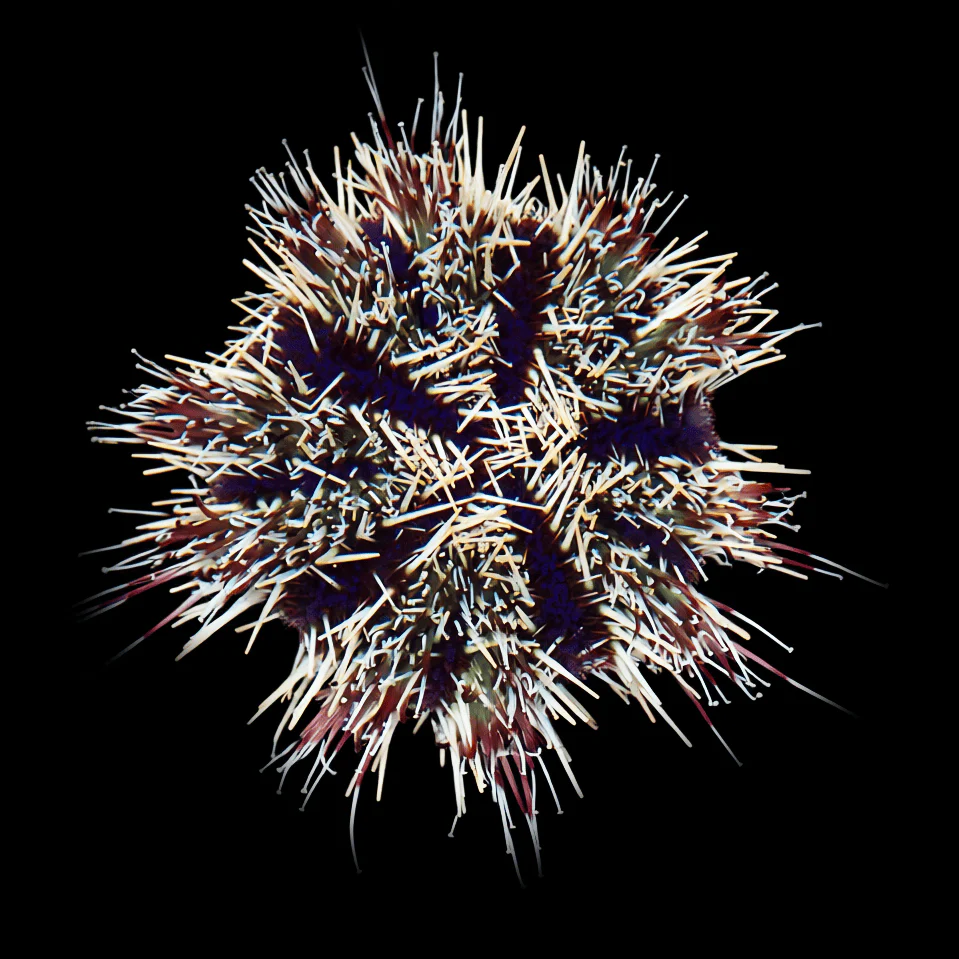
Chestnut Cowrie Snail
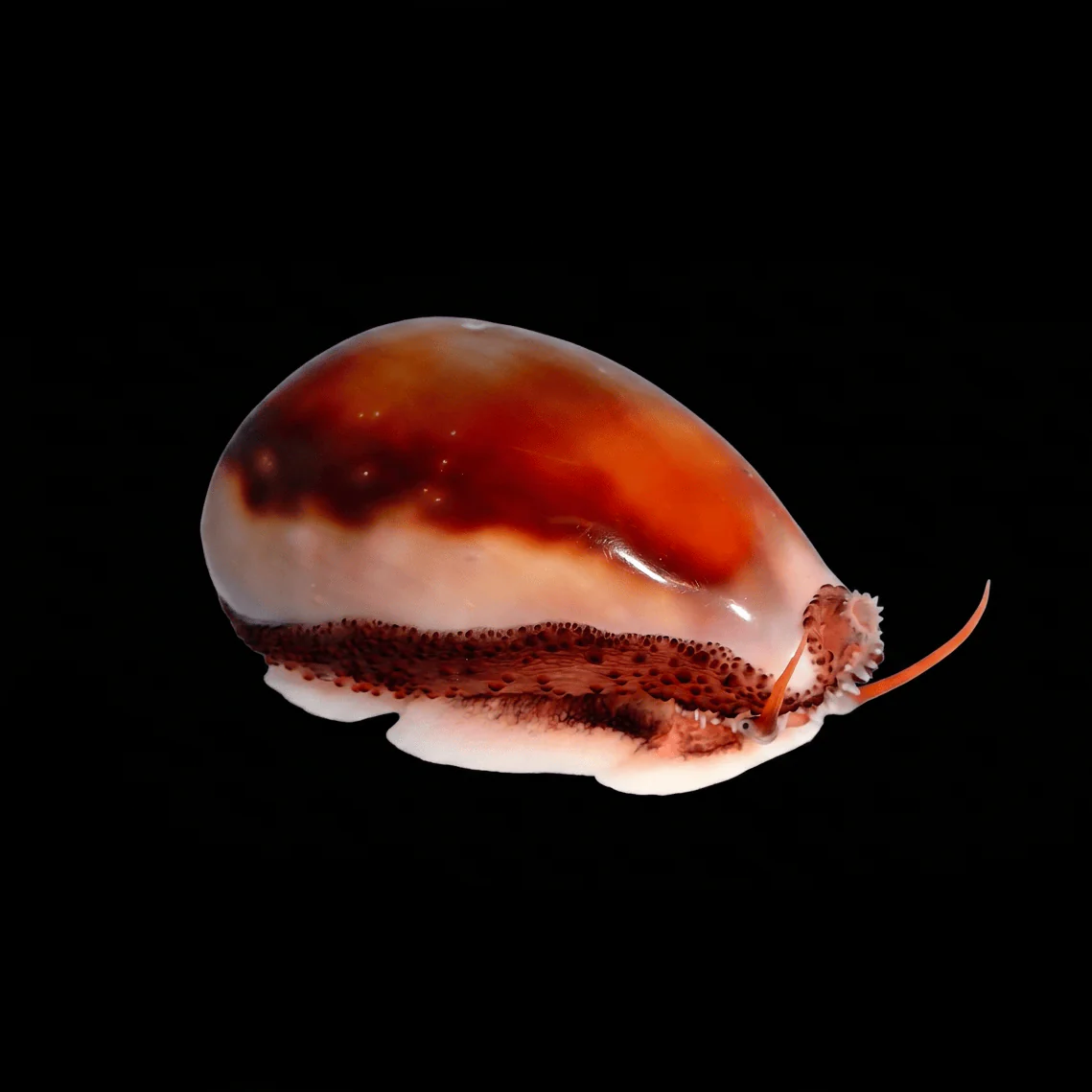
Chestnut Cowrie Snails (Cypraea species and related cowries commonly found in the aquarium trade) are attractive marine snails known for their smooth glossy shell, deep brown coloration, and nocturnal grazing behavior. In the wild, they are commonly found along reef structures and rocky surfaces where they forage for algae, sponge growth, and organic material.
During the day, Chestnut Cowrie Snails often remain hidden within rockwork or shaded areas. At night, they become more active and move throughout the aquarium searching for food.
Care Requirements
Care Level: Easy to Moderate – Requires a mature aquarium with natural grazing opportunities
Minimum Tank Size: 20+ gallons
Aquarium Setup: Established aquarium with stable parameters, live rock, and moderate water flow
Chestnut Cowrie Snails do best in mature aquariums with plenty of rockwork and naturally occurring algae or biofilm growth. They appreciate shaded areas and hiding spots during the daytime.
Diet & Nutrition
Chestnut Cowrie Snails are omnivorous grazers that consume algae, biofilm, sponge material, and organic detritus.
Diet: Omnivore/Grazer – Feeds on algae and organic material
Recommended Foods:
- Film algae and microalgae
- Seaweed and nori
- Algae wafers
- Naturally occurring biofilm
- Sponge-based foods in some systems
Supplemental feeding may be necessary in cleaner aquariums with limited natural algae growth.
Lifespan & Growth Rate
Lifespan: 3–5+ years
Growth Rate: Moderate
With stable water conditions and a consistent food source, Chestnut Cowrie Snails can remain active and healthy for several years.
Temperament & Compatibility
Temperament: Peaceful – Non-aggressive scavenger and grazer
Reef Safe? Use Caution
Chestnut Cowrie Snails are generally safe in many reef aquariums, though some larger individuals may occasionally graze on soft corals, sponge material, or sessile invertebrates if underfed.
They are compatible with most peaceful fish and invertebrates but should not be housed with predators that target snails.
Avoid housing them with large wrasses, puffers, triggers, or hermit crabs known to attack snails.
Common Challenges & Considerations
Nocturnal Behavior
Chestnut Cowrie Snails are primarily active at night and may remain hidden during daylight hours.
Starvation Risk
In aquariums with limited algae or biofilm growth, they may require supplemental feeding to maintain long-term health.
Sensitivity to Copper
Like most snails and other invertebrates, they are highly sensitive to copper-based medications.
Potential Coral Grazing
Some individuals may occasionally irritate soft corals or sessile invertebrates while searching for food.
Water Conditions
Temperature: 75–77°F
dKH (Alkalinity): 8–9
pH: 8.1–8.3
Specific Gravity: 1.024–1.026
Stable water chemistry, mature live rock, and regular access to natural grazing surfaces will help support long-term success with Chestnut Cowrie Snails.
Description
Chestnut Cowrie Snails (Cypraea species and related cowries commonly found in the aquarium trade) are attractive marine snails known for their smooth glossy shell, deep brown coloration, and nocturnal grazing behavior. In the wild, they are commonly found along reef structures and rocky surfaces where they forage for algae, sponge growth, and organic material.
During the day, Chestnut Cowrie Snails often remain hidden within rockwork or shaded areas. At night, they become more active and move throughout the aquarium searching for food.
Care Requirements
Care Level: Easy to Moderate – Requires a mature aquarium with natural grazing opportunities
Minimum Tank Size: 20+ gallons
Aquarium Setup: Established aquarium with stable parameters, live rock, and moderate water flow
Chestnut Cowrie Snails do best in mature aquariums with plenty of rockwork and naturally occurring algae or biofilm growth. They appreciate shaded areas and hiding spots during the daytime.
Diet & Nutrition
Chestnut Cowrie Snails are omnivorous grazers that consume algae, biofilm, sponge material, and organic detritus.
Diet: Omnivore/Grazer – Feeds on algae and organic material
Recommended Foods:
- Film algae and microalgae
- Seaweed and nori
- Algae wafers
- Naturally occurring biofilm
- Sponge-based foods in some systems
Supplemental feeding may be necessary in cleaner aquariums with limited natural algae growth.
Lifespan & Growth Rate
Lifespan: 3–5+ years
Growth Rate: Moderate
With stable water conditions and a consistent food source, Chestnut Cowrie Snails can remain active and healthy for several years.
Temperament & Compatibility
Temperament: Peaceful – Non-aggressive scavenger and grazer
Reef Safe? Use Caution
Chestnut Cowrie Snails are generally safe in many reef aquariums, though some larger individuals may occasionally graze on soft corals, sponge material, or sessile invertebrates if underfed.
They are compatible with most peaceful fish and invertebrates but should not be housed with predators that target snails.
Avoid housing them with large wrasses, puffers, triggers, or hermit crabs known to attack snails.
Common Challenges & Considerations
Nocturnal Behavior
Chestnut Cowrie Snails are primarily active at night and may remain hidden during daylight hours.
Starvation Risk
In aquariums with limited algae or biofilm growth, they may require supplemental feeding to maintain long-term health.
Sensitivity to Copper
Like most snails and other invertebrates, they are highly sensitive to copper-based medications.
Potential Coral Grazing
Some individuals may occasionally irritate soft corals or sessile invertebrates while searching for food.
Water Conditions
Temperature: 75–77°F
dKH (Alkalinity): 8–9
pH: 8.1–8.3
Specific Gravity: 1.024–1.026
Stable water chemistry, mature live rock, and regular access to natural grazing surfaces will help support long-term success with Chestnut Cowrie Snails.