Granulated Starfish
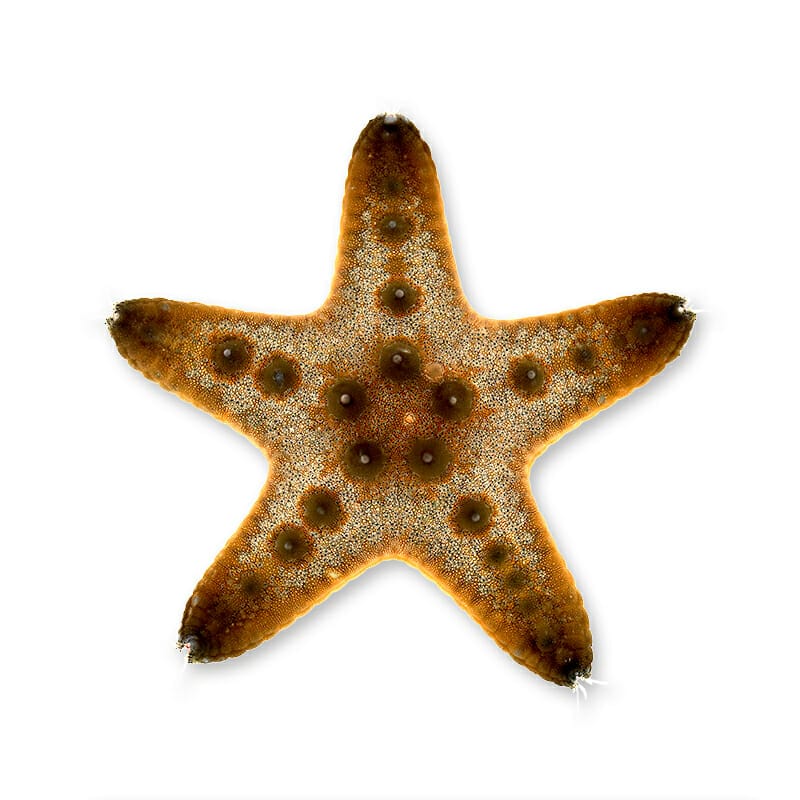
Granulated Starfish (Choriaster granulatus) are large ornamental sea stars recognized for their inflated body shape, textured surface, and vibrant orange to reddish coloration. Commonly found throughout Indo-Pacific reef environments, they inhabit sandy lagoons and reef flats where they slowly move across the substrate searching for food.
Their unique appearance and slow, deliberate movement make them a standout addition to large marine aquariums, though they require stable conditions and a mature system to thrive long term.
Care Requirements
Care Level: Difficult – Requires a mature aquarium with stable water quality and abundant natural food sources
Minimum Tank Size: 100+ gallons
Aquarium Setup: Established aquarium with open sandbed areas, mature live rock, and stable salinity
Granulated Starfish do best in mature systems with plenty of biological activity and minimal parameter swings. Due to their size and feeding habits, they are generally recommended for experienced aquarists.
Diet & Nutrition
Granulated Starfish are opportunistic scavengers that consume organic material, biofilm, detritus, and small organisms found throughout the aquarium.
Diet: Omnivore/Scavenger – Feeds on detritus, organic matter, and meaty foods
Recommended Foods:
- Mysis shrimp
- Chopped seafood
- Clam or shrimp pieces
- Sinking meaty foods
- Naturally occurring detritus and biofilm
Supplemental feeding is often necessary in captivity, especially in cleaner systems with limited naturally available food sources.
Lifespan & Growth Rate
Lifespan: 5+ years
Growth Rate: Slow
With stable water conditions and consistent feeding, Granulated Starfish can live for several years and maintain healthy tissue and coloration.
Temperament & Compatibility
Temperament: Peaceful – Slow-moving scavenger
Reef Safe? Use Caution
Granulated Starfish are generally peaceful toward fish but may consume sessile invertebrates, soft corals, sponges, or other slow-moving organisms if underfed. They are often better suited for fish-only systems or carefully monitored reef aquariums.
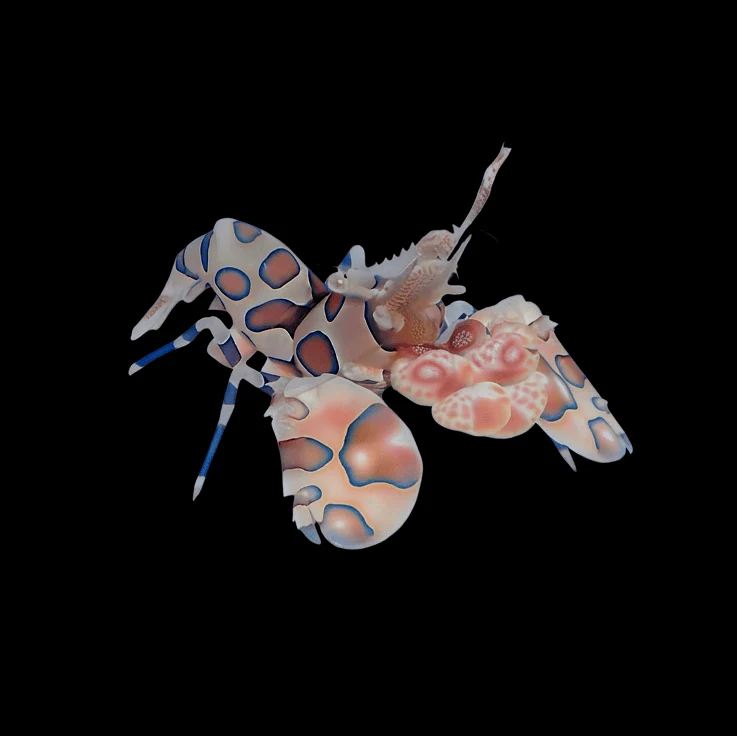
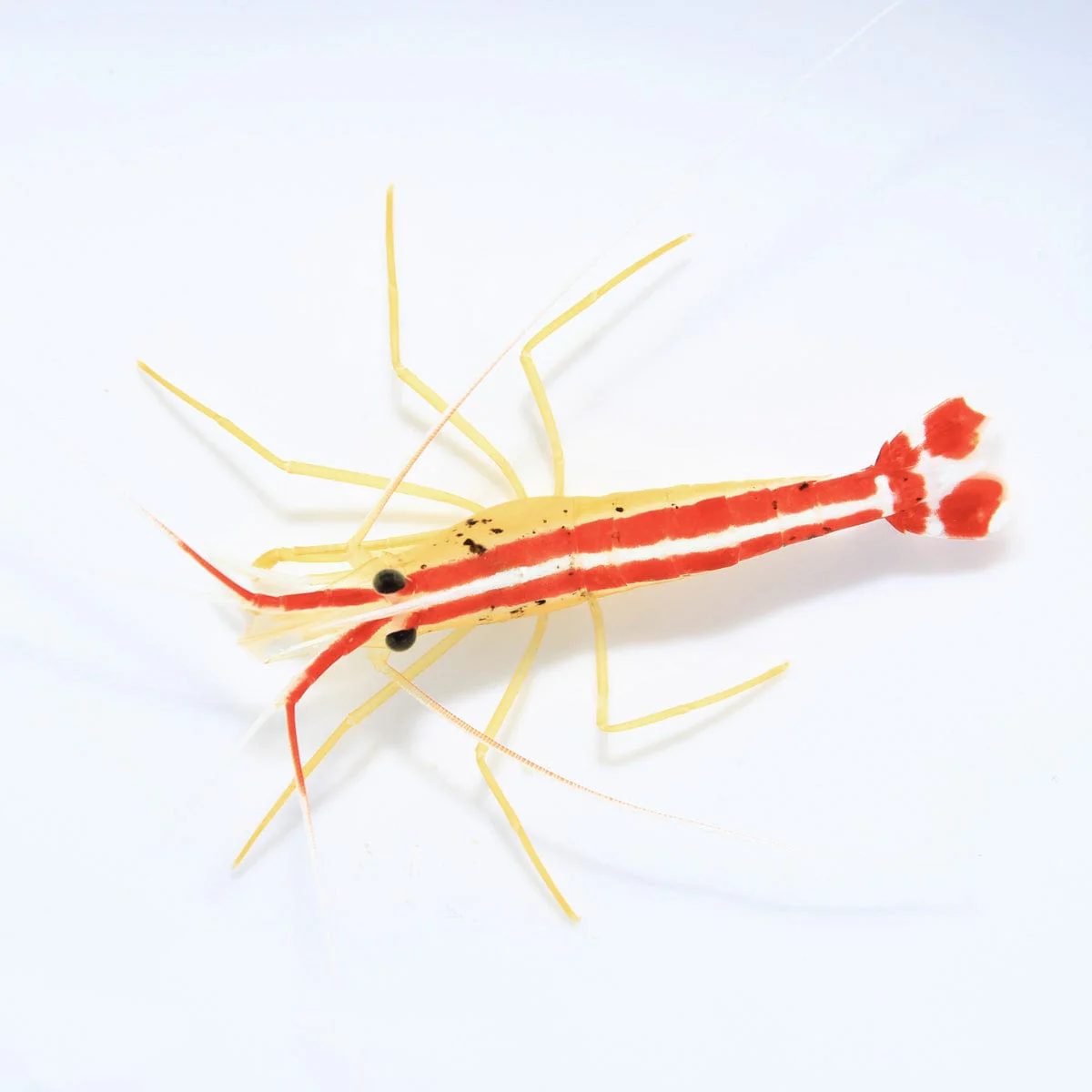
Avoid housing them with puffers, triggers, large wrasses, harlequin shrimp, or other species known to prey on echinoderms.
Common Challenges & Considerations
Sensitivity to Parameter Swings
Granulated Starfish are highly sensitive to sudden changes in salinity, temperature, and pH. Slow acclimation is strongly recommended.
Starvation Risk
Many sea stars slowly decline in aquariums that lack sufficient natural food sources or supplemental feeding.
Handling Sensitivity
Exposure to air during transfers should be minimized whenever possible to reduce stress and tissue damage.
Large Adult Size
Granulated Starfish can grow quite large and require ample space to move throughout the aquarium.
Water Conditions
Temperature: 75–77°F
dKH (Alkalinity): 8–9
pH: 8.1–8.3
Specific Gravity: 1.024–1.026
Stable water chemistry, mature biological filtration, and regular feeding are essential for maintaining healthy tissue and long-term success with Granulated Starfish.
Original: $124.99
-65%$124.99
$43.75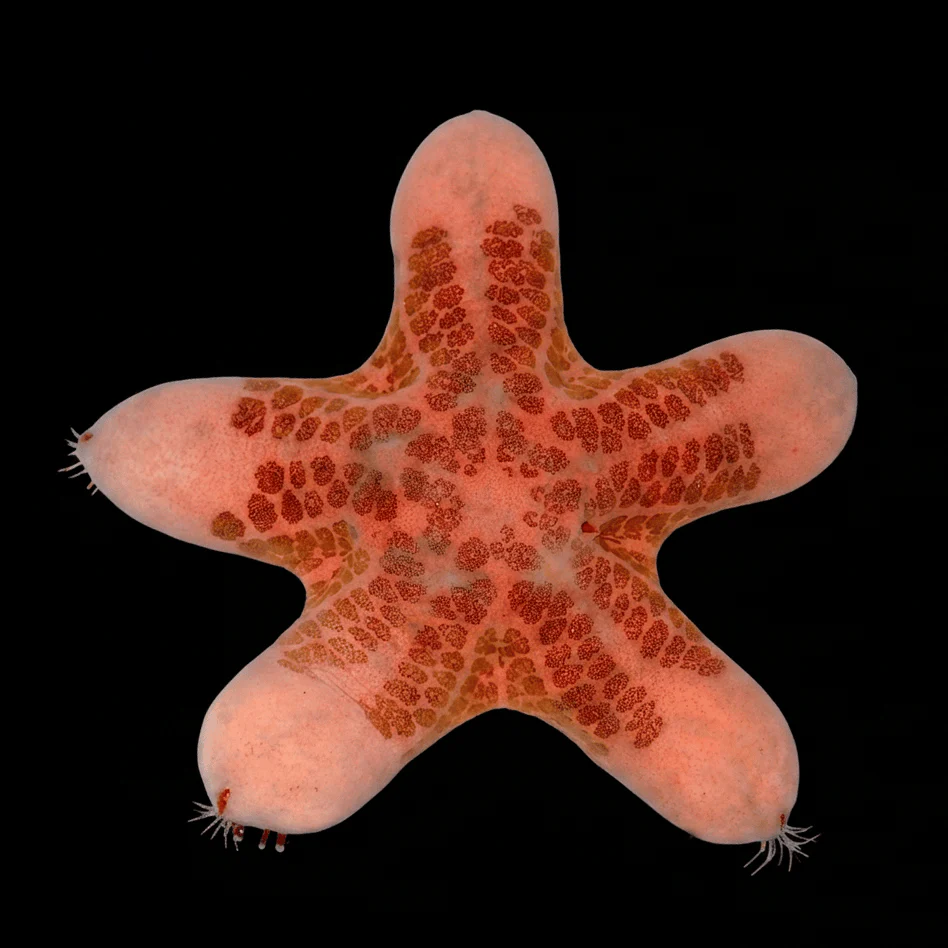
Description
Granulated Starfish (Choriaster granulatus) are large ornamental sea stars recognized for their inflated body shape, textured surface, and vibrant orange to reddish coloration. Commonly found throughout Indo-Pacific reef environments, they inhabit sandy lagoons and reef flats where they slowly move across the substrate searching for food.
Their unique appearance and slow, deliberate movement make them a standout addition to large marine aquariums, though they require stable conditions and a mature system to thrive long term.
Care Requirements
Care Level: Difficult – Requires a mature aquarium with stable water quality and abundant natural food sources
Minimum Tank Size: 100+ gallons
Aquarium Setup: Established aquarium with open sandbed areas, mature live rock, and stable salinity
Granulated Starfish do best in mature systems with plenty of biological activity and minimal parameter swings. Due to their size and feeding habits, they are generally recommended for experienced aquarists.
Diet & Nutrition
Granulated Starfish are opportunistic scavengers that consume organic material, biofilm, detritus, and small organisms found throughout the aquarium.
Diet: Omnivore/Scavenger – Feeds on detritus, organic matter, and meaty foods
Recommended Foods:
- Mysis shrimp
- Chopped seafood
- Clam or shrimp pieces
- Sinking meaty foods
- Naturally occurring detritus and biofilm
Supplemental feeding is often necessary in captivity, especially in cleaner systems with limited naturally available food sources.
Lifespan & Growth Rate
Lifespan: 5+ years
Growth Rate: Slow
With stable water conditions and consistent feeding, Granulated Starfish can live for several years and maintain healthy tissue and coloration.
Temperament & Compatibility
Temperament: Peaceful – Slow-moving scavenger
Reef Safe? Use Caution
Granulated Starfish are generally peaceful toward fish but may consume sessile invertebrates, soft corals, sponges, or other slow-moving organisms if underfed. They are often better suited for fish-only systems or carefully monitored reef aquariums.
Avoid housing them with puffers, triggers, large wrasses, harlequin shrimp, or other species known to prey on echinoderms.
Common Challenges & Considerations
Sensitivity to Parameter Swings
Granulated Starfish are highly sensitive to sudden changes in salinity, temperature, and pH. Slow acclimation is strongly recommended.
Starvation Risk
Many sea stars slowly decline in aquariums that lack sufficient natural food sources or supplemental feeding.
Handling Sensitivity
Exposure to air during transfers should be minimized whenever possible to reduce stress and tissue damage.
Large Adult Size
Granulated Starfish can grow quite large and require ample space to move throughout the aquarium.
Water Conditions
Temperature: 75–77°F
dKH (Alkalinity): 8–9
pH: 8.1–8.3
Specific Gravity: 1.024–1.026
Stable water chemistry, mature biological filtration, and regular feeding are essential for maintaining healthy tissue and long-term success with Granulated Starfish.