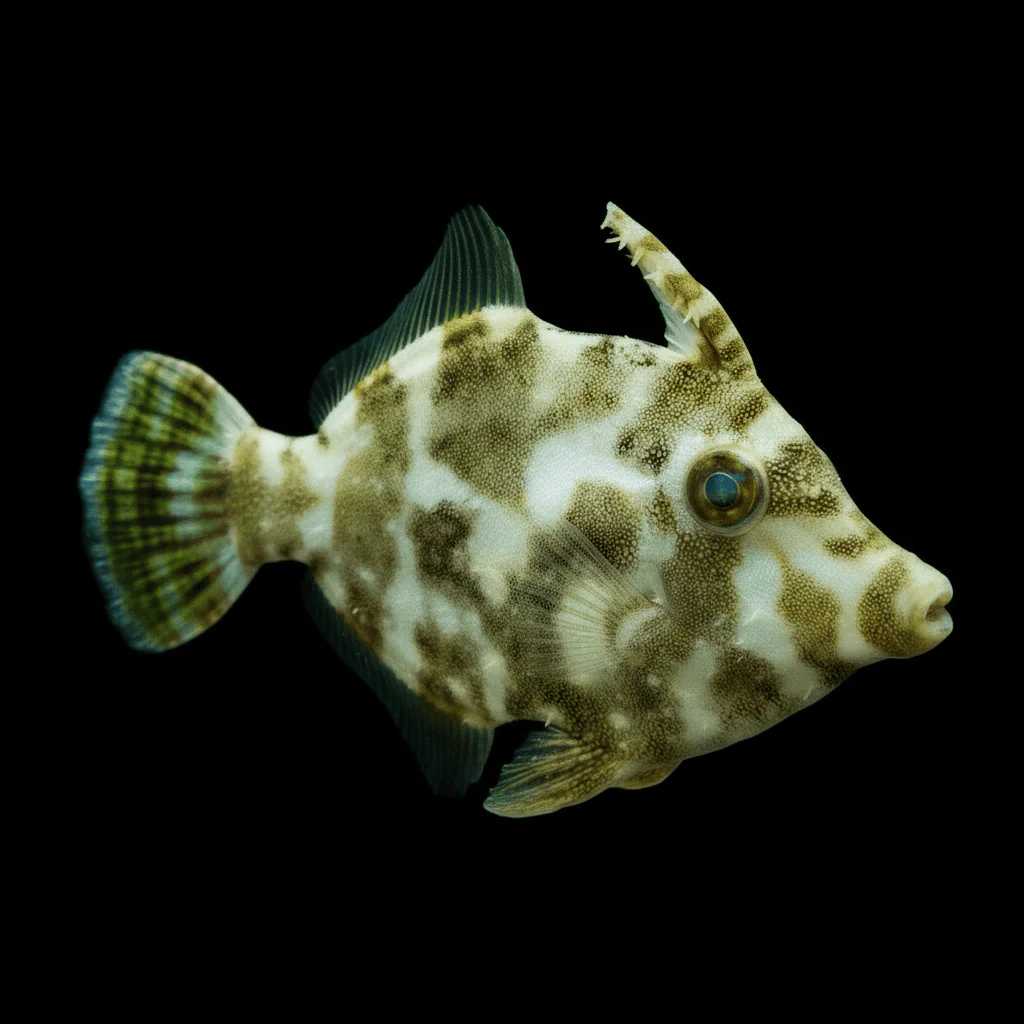
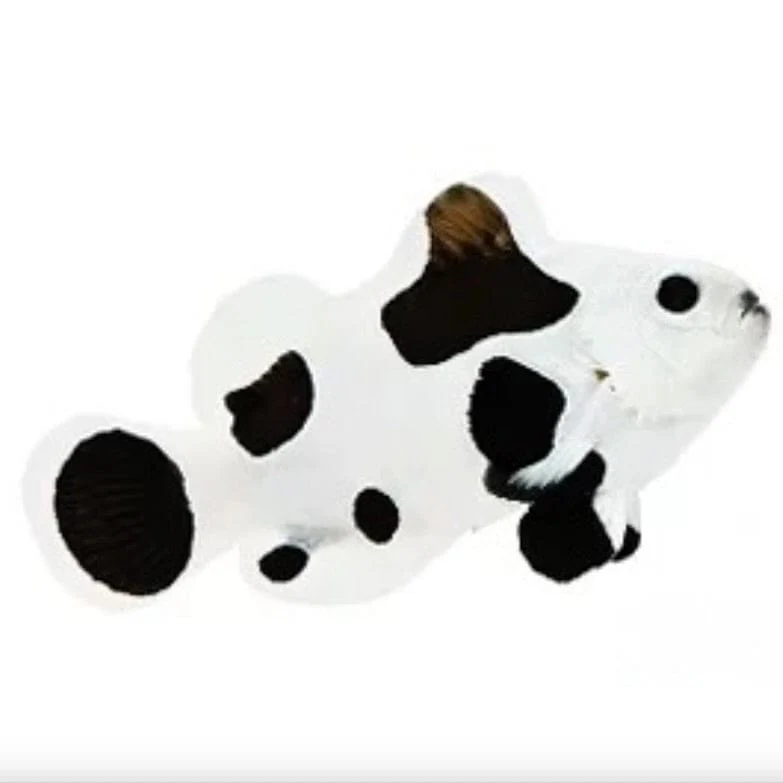
Red Angler, Super - Antennarius pictus
Introduction to Red Anglerfish (Antennarius sp.)
The Red Anglerfish, often referred to as a “Frogfish,” is one of the most unique and specialized predators in the saltwater hobby. Known for its vibrant red coloration and incredible camouflage, this species blends seamlessly into rockwork and coral structures. What sets anglerfish apart is their built-in “fishing lure” (illicium), which they use to attract prey before striking with lightning speed. Their unusual movement, often walking along surfaces using modified fins, makes them a standout centerpiece in species-specific setups.
Care Requirements
Care Level: Moderate to Difficult
Minimum Tank Size: 30+ gallons
Aquarium Setup: Requires stable rockwork, low to moderate flow, and a species-focused environment
Red Anglers are not active swimmers and prefer to perch rather than roam. A calm tank with minimal competition and secure rock structures is ideal.
Diet & Nutrition
Red Anglerfish are carnivorous ambush predators that feed on live or meaty foods.
Diet: Carnivorous – Feeds on fish and crustaceans
Recommended Foods:
- Live or frozen shrimp
- Small feeder fish (used sparingly)
- Silversides or other meaty marine foods
They can often be trained to accept frozen foods using feeding tools, but initial feeding may require live prey.
Lifespan & Growth Rate
Lifespan: 3–5+ years
Growth Rate: Moderate – Typically reaches 4–6 inches depending on species
They grow steadily but remain relatively sedentary throughout their lives.
Temperament & Compatibility
Temperament: Predatory
Reef Safe? No – Will consume fish and invertebrates that fit in its mouth
Red Anglers should be kept alone or with extreme caution. Any tankmate small enough to be swallowed will eventually become food.
Common Challenges & Considerations
- Predatory Behavior: Will eat tankmates, often surprisingly large ones
- Overfeeding Risk: Prone to obesity if fed too frequently
- Feeding Transition: May require live food before accepting frozen options
- Water Quality Sensitivity: Requires stable, clean water despite low activity
- Limited Movement: Not a typical “active” display fish
Water Conditions
Temperature: 75–77°F
dKH (Alkalinity): 8–12
pH: 8.1–8.3
Specific Gravity: 1.024–1.026
Original: $143.99
-65%$143.99
$50.40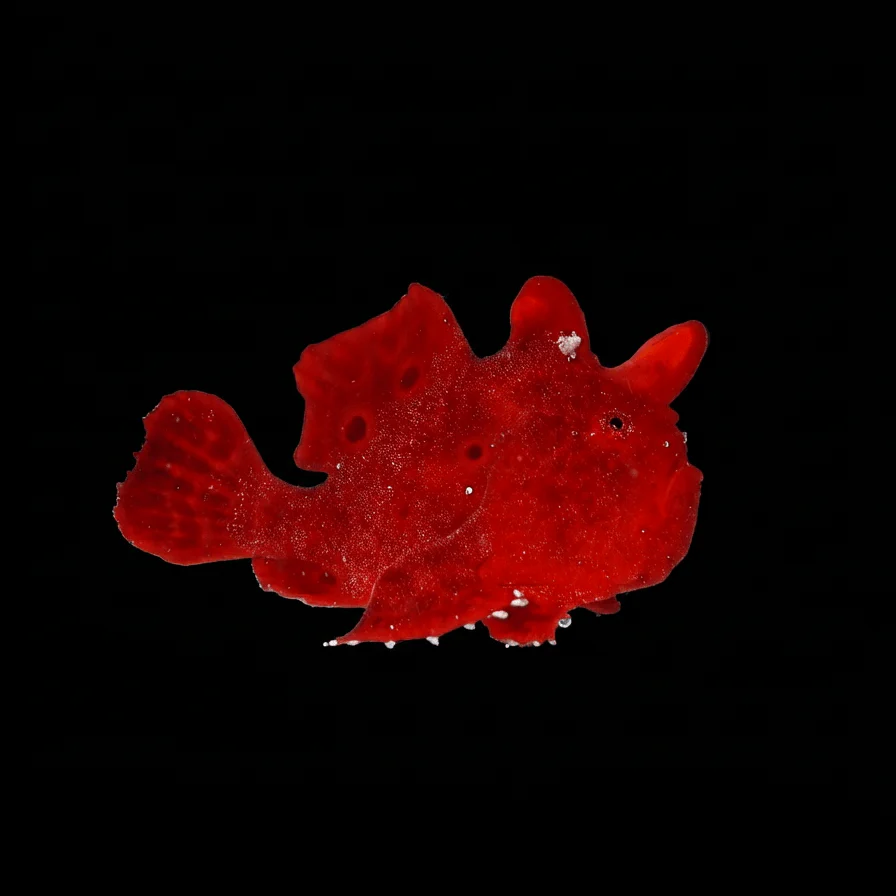
Description
Introduction to Red Anglerfish (Antennarius sp.)
The Red Anglerfish, often referred to as a “Frogfish,” is one of the most unique and specialized predators in the saltwater hobby. Known for its vibrant red coloration and incredible camouflage, this species blends seamlessly into rockwork and coral structures. What sets anglerfish apart is their built-in “fishing lure” (illicium), which they use to attract prey before striking with lightning speed. Their unusual movement, often walking along surfaces using modified fins, makes them a standout centerpiece in species-specific setups.
Care Requirements
Care Level: Moderate to Difficult
Minimum Tank Size: 30+ gallons
Aquarium Setup: Requires stable rockwork, low to moderate flow, and a species-focused environment
Red Anglers are not active swimmers and prefer to perch rather than roam. A calm tank with minimal competition and secure rock structures is ideal.
Diet & Nutrition
Red Anglerfish are carnivorous ambush predators that feed on live or meaty foods.
Diet: Carnivorous – Feeds on fish and crustaceans
Recommended Foods:
- Live or frozen shrimp
- Small feeder fish (used sparingly)
- Silversides or other meaty marine foods
They can often be trained to accept frozen foods using feeding tools, but initial feeding may require live prey.
Lifespan & Growth Rate
Lifespan: 3–5+ years
Growth Rate: Moderate – Typically reaches 4–6 inches depending on species
They grow steadily but remain relatively sedentary throughout their lives.
Temperament & Compatibility
Temperament: Predatory
Reef Safe? No – Will consume fish and invertebrates that fit in its mouth
Red Anglers should be kept alone or with extreme caution. Any tankmate small enough to be swallowed will eventually become food.
Common Challenges & Considerations
- Predatory Behavior: Will eat tankmates, often surprisingly large ones
- Overfeeding Risk: Prone to obesity if fed too frequently
- Feeding Transition: May require live food before accepting frozen options
- Water Quality Sensitivity: Requires stable, clean water despite low activity
- Limited Movement: Not a typical “active” display fish
Water Conditions
Temperature: 75–77°F
dKH (Alkalinity): 8–12
pH: 8.1–8.3
Specific Gravity: 1.024–1.026