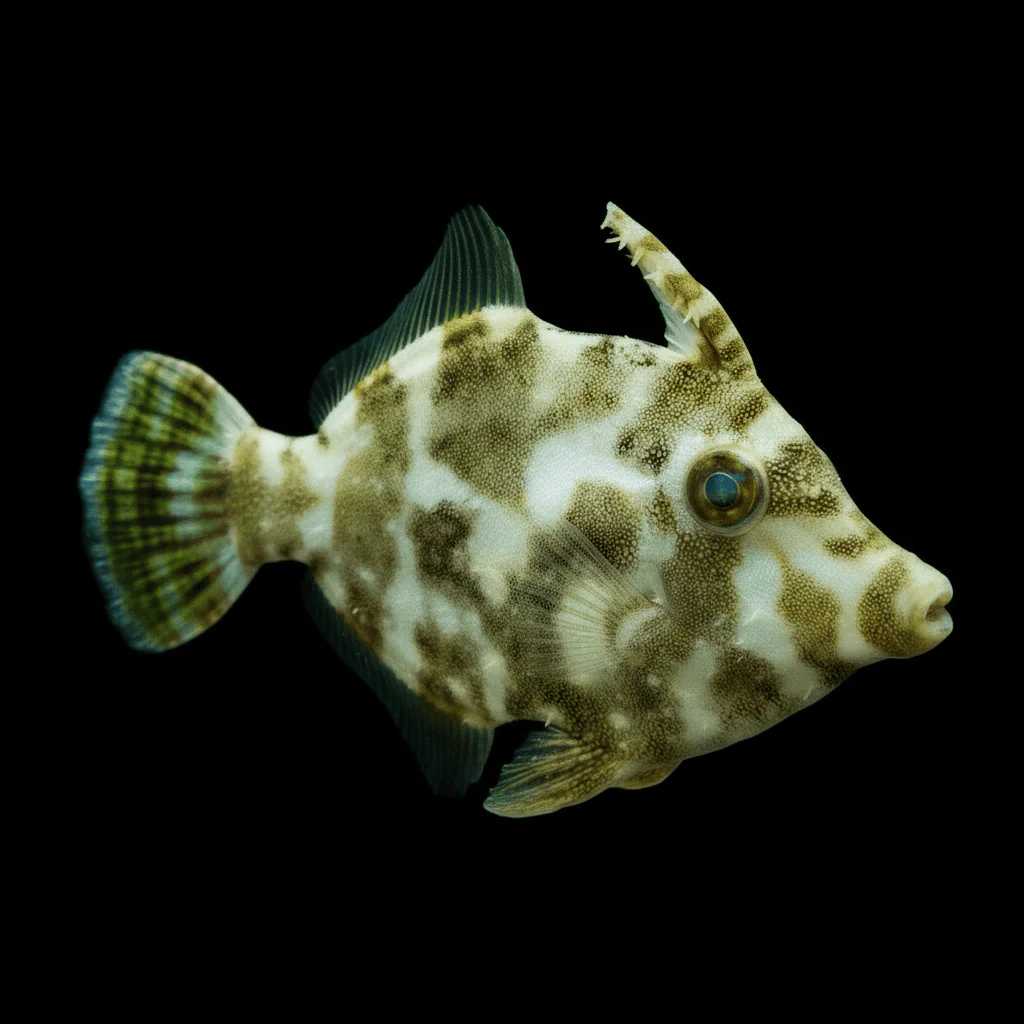
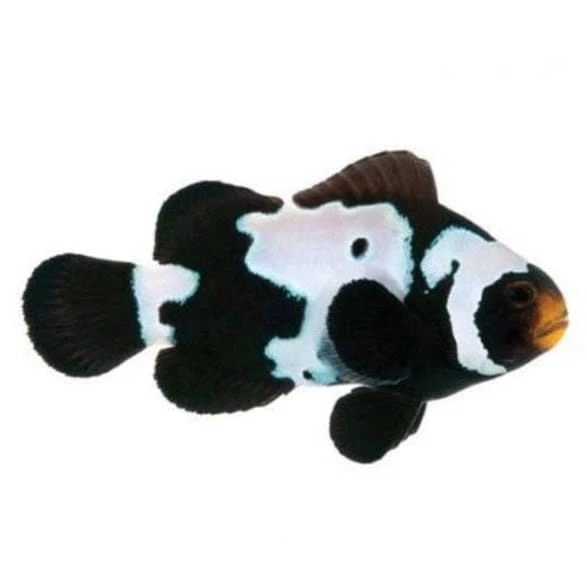
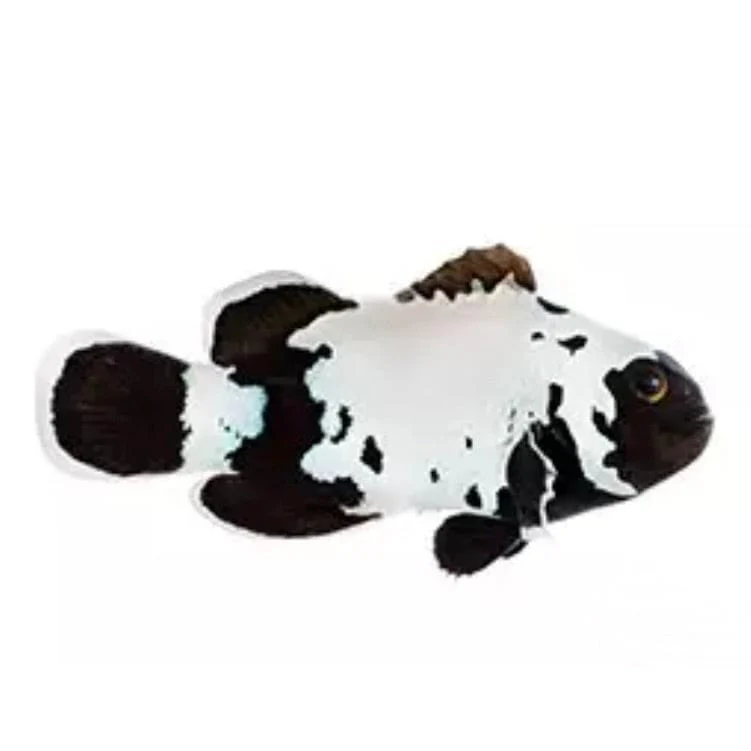
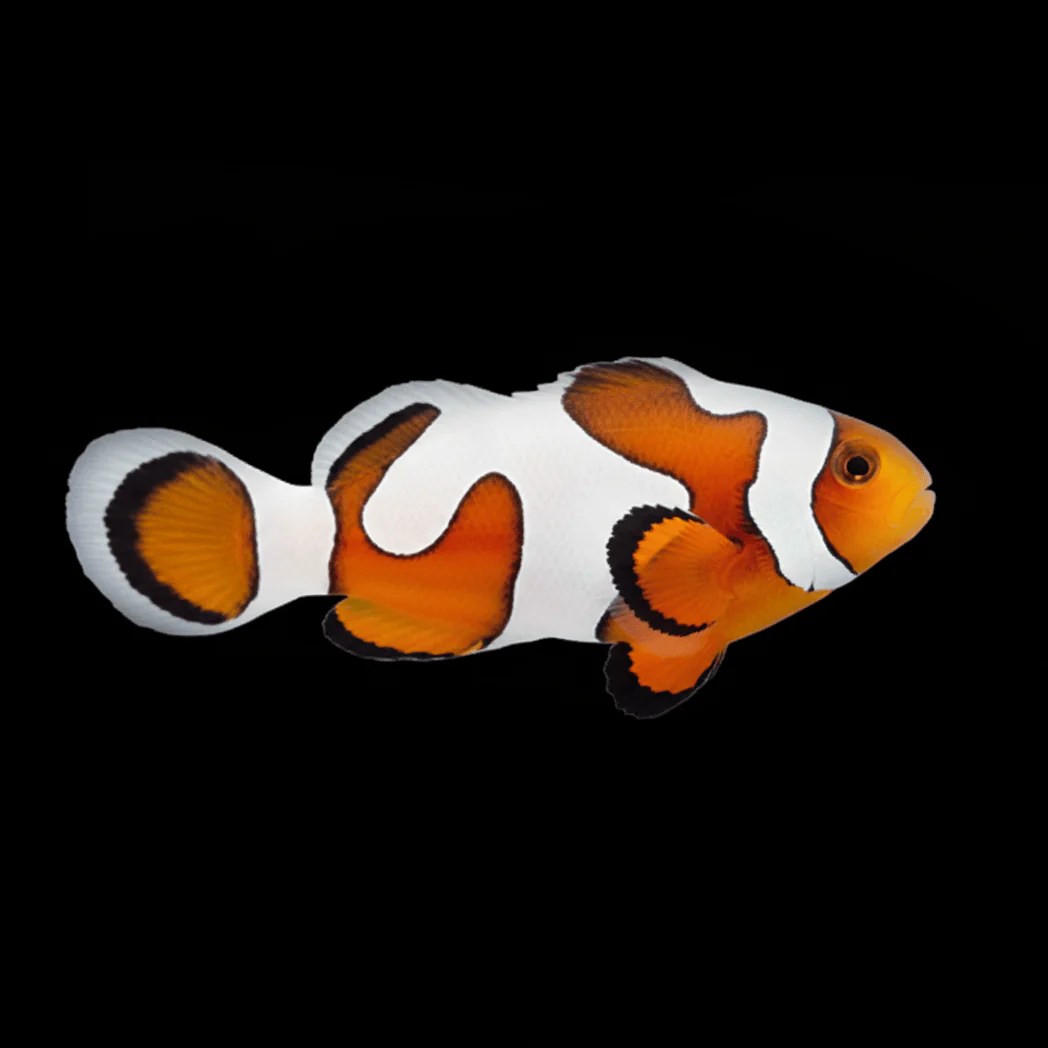
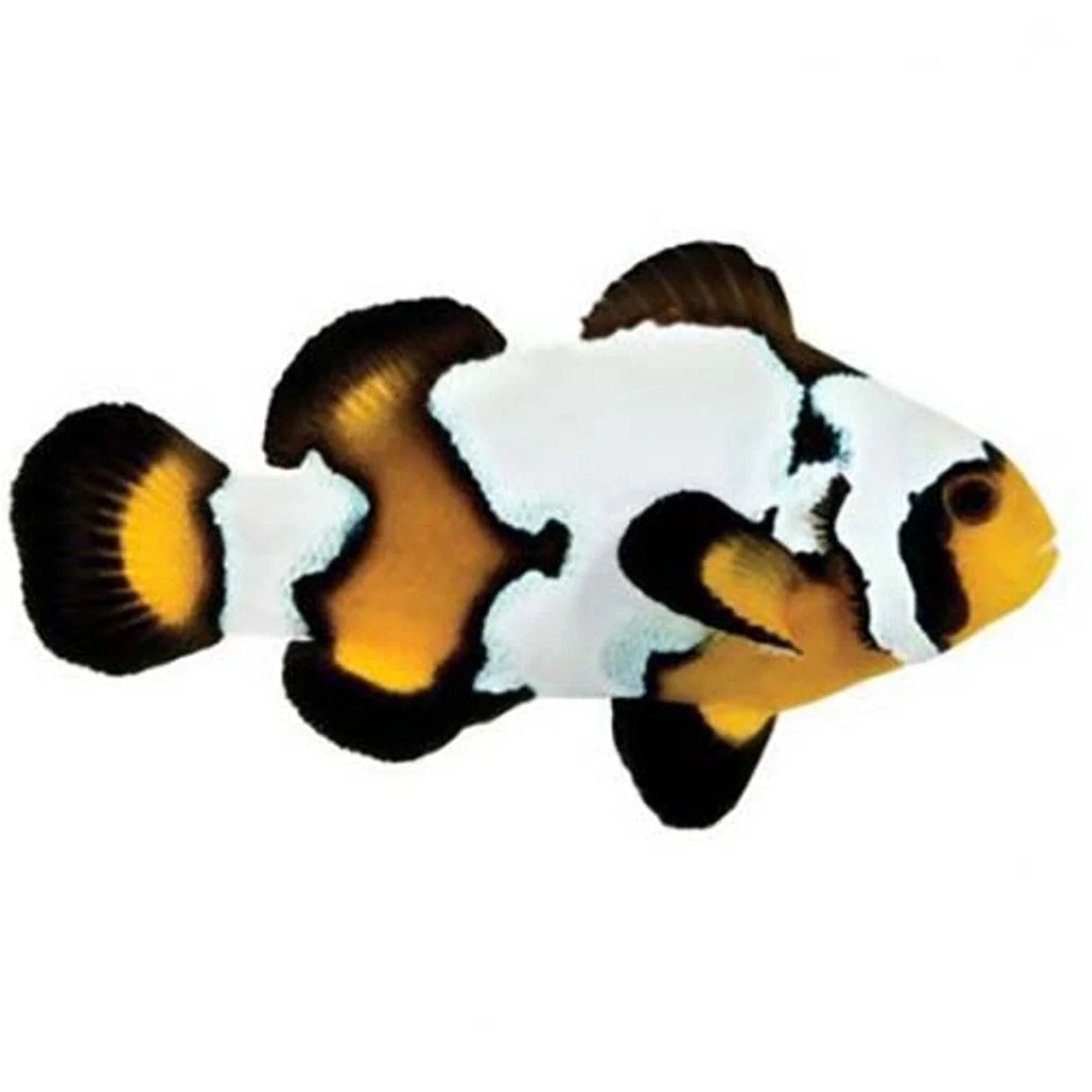
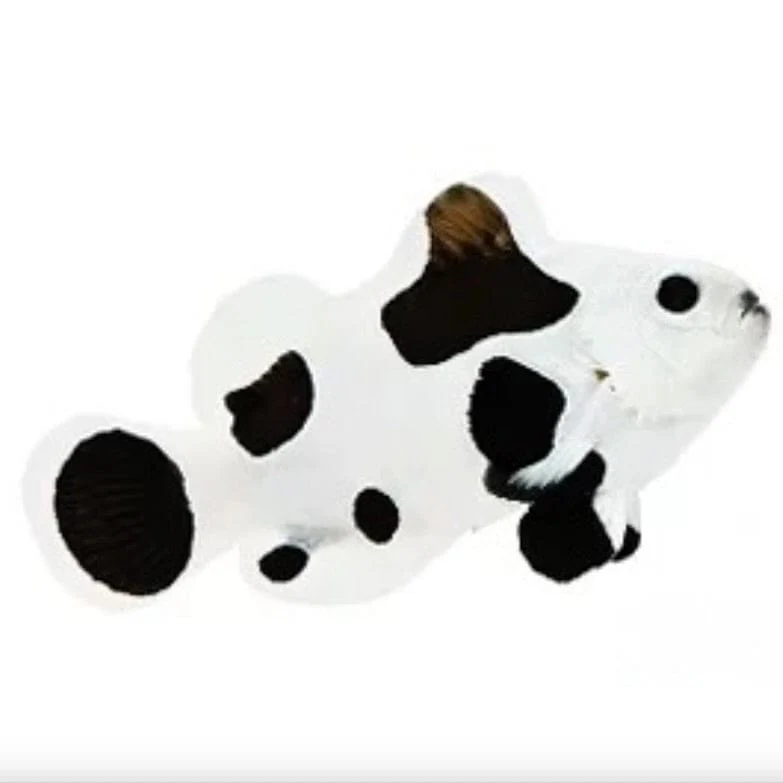
Twospot Candy Hogfish
Introduction to Saltwater Hogfish
Hogfish are bold, active, and hardy reef predators found in tropical reefs worldwide. They are intelligent, fast-swimming fish that require spacious aquariums with rockwork for shelter and plenty of open swimming areas. Some hogfish species are reef-safe, while others may prey on small invertebrates, making careful stocking important.
Care Requirements
Care Level: Easy to Moderate Minimum Tank Size: 75 – 150+ gallons Smaller species (e.g., Yellow Candy Hogfish) – 75 gallons Larger species (e.g., Spanish Hogfish) – 125+ gallons Aquarium Setup: Requires rock caves for hiding and ample swimming space
Diet & Nutrition
Hogfish are carnivorous and require a varied diet of meaty foods. Diet: Carnivorous – Prefers shrimp, mollusks, and small fish
Recommended Foods:
Frozen and fresh seafood Mysis shrimp, brine shrimp High-quality marine pellets and flakes Hogfish are voracious eaters and should be fed at least once daily.
Lifespan & Growth Rate
Lifespan: 8-12+ years Growth Rate: Moderate to Fast – Can reach 6-12 inches, species-dependent Hogfish grow quickly, requiring a large tank and adequate space.
Temperament & Compatibility
Temperament: Semi-Aggressive – Can be territorial Reef Safe? With Caution – Some species may eat small crustaceans Avoid housing with smaller shrimp, snails, or nano fish, as these may become prey.
Common Challenges & Considerations
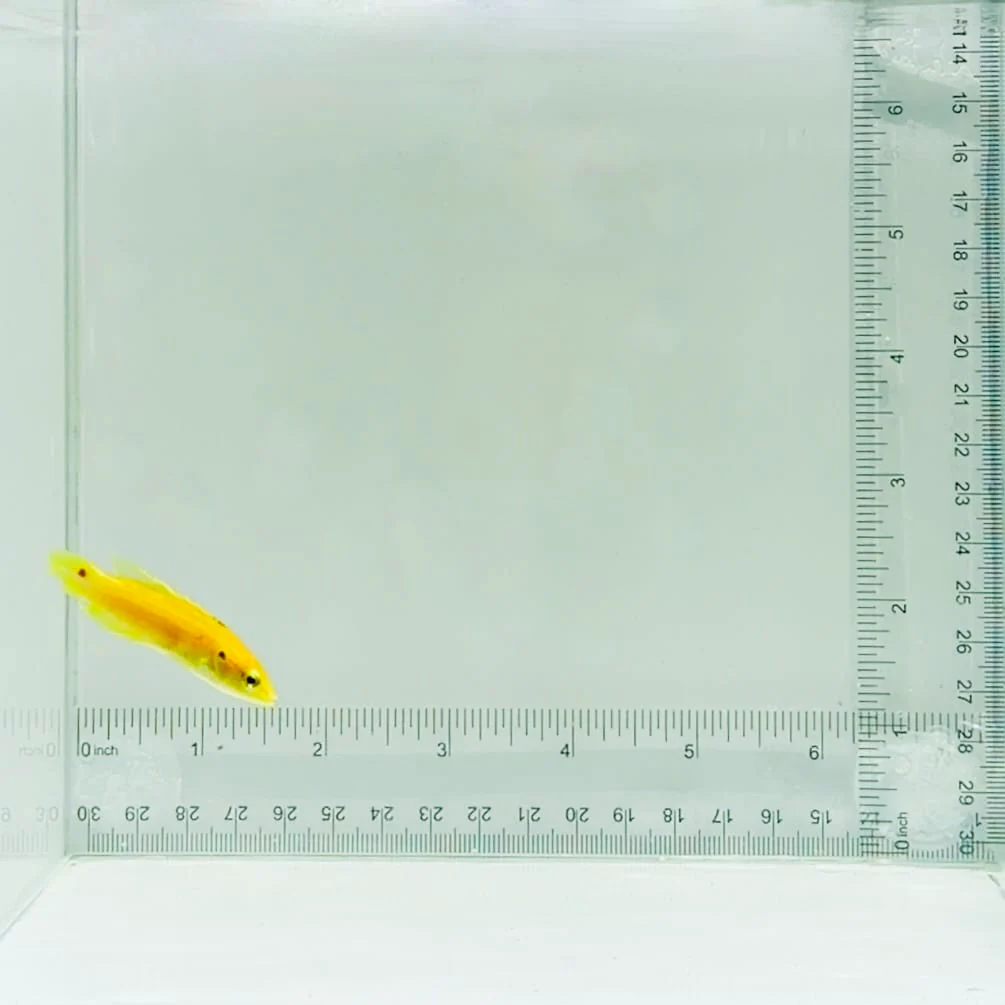
Jumping Risk: Hogfish are strong jumpers—a tight-fitting lid is essential. Territorial Behavior: Can become aggressive toward similarly shaped fish. Preying on Invertebrates: Some species may eat shrimp, crabs, or small snails. Popular Species Cuban Hogfish (Bodianus pulchellus) – Red and yellow, moderately aggressive Spanish Hogfish (Bodianus rufus) – Large species, grows over 16 inches Red Diana Hogfish (Bodianus diana) – Striking pink and red coloration Yellow Candy Hogfish (Bodianus bimaculatus) – Smaller species, ideal for moderate reef tanks
Description
Introduction to Saltwater Hogfish
Hogfish are bold, active, and hardy reef predators found in tropical reefs worldwide. They are intelligent, fast-swimming fish that require spacious aquariums with rockwork for shelter and plenty of open swimming areas. Some hogfish species are reef-safe, while others may prey on small invertebrates, making careful stocking important.
Care Requirements
Care Level: Easy to Moderate Minimum Tank Size: 75 – 150+ gallons Smaller species (e.g., Yellow Candy Hogfish) – 75 gallons Larger species (e.g., Spanish Hogfish) – 125+ gallons Aquarium Setup: Requires rock caves for hiding and ample swimming space
Diet & Nutrition
Hogfish are carnivorous and require a varied diet of meaty foods. Diet: Carnivorous – Prefers shrimp, mollusks, and small fish
Recommended Foods:
Frozen and fresh seafood Mysis shrimp, brine shrimp High-quality marine pellets and flakes Hogfish are voracious eaters and should be fed at least once daily.
Lifespan & Growth Rate
Lifespan: 8-12+ years Growth Rate: Moderate to Fast – Can reach 6-12 inches, species-dependent Hogfish grow quickly, requiring a large tank and adequate space.
Temperament & Compatibility
Temperament: Semi-Aggressive – Can be territorial Reef Safe? With Caution – Some species may eat small crustaceans Avoid housing with smaller shrimp, snails, or nano fish, as these may become prey.
Common Challenges & Considerations
Jumping Risk: Hogfish are strong jumpers—a tight-fitting lid is essential. Territorial Behavior: Can become aggressive toward similarly shaped fish. Preying on Invertebrates: Some species may eat shrimp, crabs, or small snails. Popular Species Cuban Hogfish (Bodianus pulchellus) – Red and yellow, moderately aggressive Spanish Hogfish (Bodianus rufus) – Large species, grows over 16 inches Red Diana Hogfish (Bodianus diana) – Striking pink and red coloration Yellow Candy Hogfish (Bodianus bimaculatus) – Smaller species, ideal for moderate reef tanks